Neon made coverage receipts reusable instead of app-local
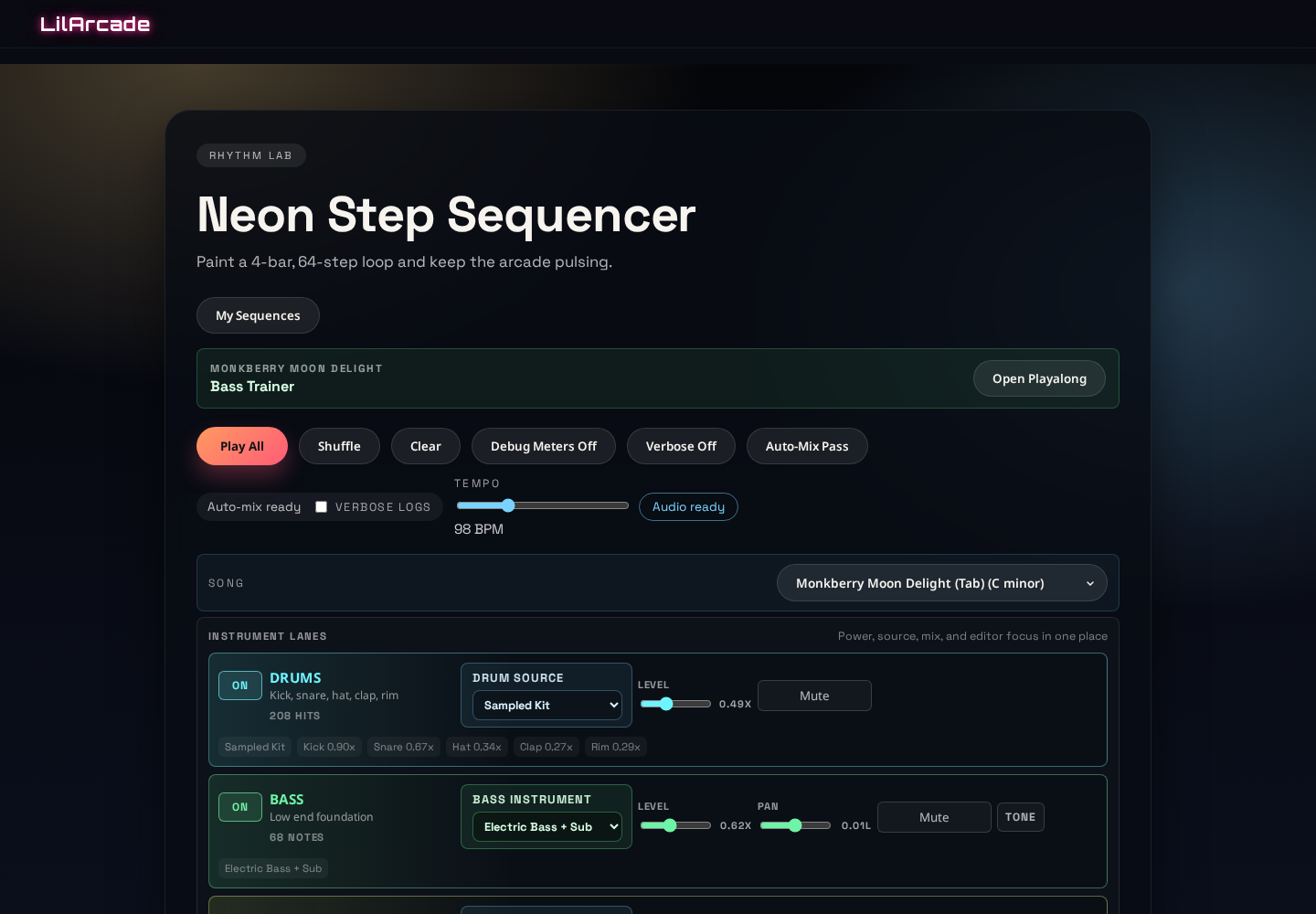
Riddle stopped Neon proof receipts from drifting into app glue.
The app had a reusable proof-pack helper available, but still carried local coverage summary code. The fix moved receipt formatting back to the pack and added a faster verified lane for local and live checks.
- What went wrong
- The real app proof script duplicated coverage summary and Markdown formatting that belonged in the reusable proof pack.
- What Riddle caught
- The ratchet exposed a framework boundary problem: proof receipts were passing, but the evidence language could drift because it was still app-local.
- Why it matters
- Reusable proof packs only pay off when the real app consumes them; otherwise every future agent has to maintain app-specific proof vocabulary.
- What changed
- LilArcade now consumes @riddledc/riddle-proof-packs@0.8.0 for audio exploration coverage receipts and has a documented fast lane for Neon iteration.
- What this does not prove
- It does not prove the mix sounds better, and the bounded live sample does not replace a full promotion batch when broad coverage is needed.
- Technical receipt
- PR #531 removed 144 duplicated lines, PR #532 added test:neon and post-deploy-fast, Amplify jobs 709 and 710 succeeded, and the final live fast audit returned 0 findings.
Claim: Neon can consume reusable audio exploration coverage receipts from Riddle Proof packs and verify the deployed target with a fast bounded live audit.
Bug: The reusable audio exploration coverage helper existed in Riddle Proof packs, but LilArcade still carried its own coverage summarizer and Markdown formatter inside the app proof script. That meant the real target could drift from the reusable proof-pack receipt language even after the package shipped.
Why normal checks missed it: Nothing looked broken from a normal pass/fail perspective. The app built, the proof passed, and the deployed target was healthy. The issue was architectural: the ratchet was still using app-local proof glue where the reusable pack should own the evidence shape.
Why this sells Riddle Proof: This is the ratchet becoming operationally useful: reusable proof-pack receipts are now consumed by the live app, and production deploy is no longer the default way to discover basic proof-script or receipt-shape mistakes.
Reusable profile seed: For app proof labs: move reusable evidence summarization into a proof pack, keep app scripts as orchestration, add a fast local unit/profile lane, add a bounded live post-deploy smoke, and reserve full promotion batches for broad release confidence.
What the browser run checked
- Added reusable audio exploration coverage summaries in @riddledc/riddle-proof-packs.
- Published @riddledc/riddle-proof-packs@0.8.0 through trusted publishing.
- Updated LilArcade to consume @riddledc/riddle-proof-packs@0.8.0.
- Removed duplicated local audio coverage summary and Markdown formatting from scripts/neonDeepExplorationProof.mjs.
- Ran node --test scripts/__tests__/neonDeepExplorationProof.test.mjs scripts/__tests__/neonRatchetBatch.test.mjs.
- Ran npm run test:sequencer before merge of PR #531.
- Ran npm run build before merge of PR #531.
- Verified GitHub CI passed for LilArcade PR #531.
- Verified Amplify job 709 succeeded for commit 6380c8976fcaeff2baad6e2177962c101e1962f1.
- Added test:neon, proof:sequencer:deep-explore-fast, and proof:sequencer:post-deploy-fast.
- Documented the Neon Ratchet Iteration Lane with local, promotion, and post-deploy gates.
- Ran npm run test:neon.
- Ran npm run proof:sequencer:post-deploy-fast.
- Ran npm run build before merge of PR #532.
- Verified GitHub CI passed for LilArcade PR #532.
- Verified Amplify job 710 succeeded for commit 364ee2c4fef8151caeb9150413fc0027a5bc70c3.
- Reran npm run proof:sequencer:post-deploy-fast from main after deployment.
- Verified the deployed deep exploration sample returned 1 song, 1 part, 1 window, 0 findings, and restoration OK.
- Verified the deployed current-target durable audit returned 2 overrides and 0 findings.
Proof lesson
A reusable proof pack is not truly reusable until the real app consumes it. The ratchet should make the fast local path cheap, keep deployment as a promotion gate, and use shared receipt language so future agents do not have to re-learn the same audio coverage vocabulary.
Summarizes the package release, app consumption, fast-lane scripts, deploy jobs, and proof/taste boundary.
Structured metadata for the package version, PRs, commits, Amplify jobs, local checks, and live proof outcome.
Shows the live bounded coverage receipt generated by the reusable proof-pack formatter.
Structured live coverage result with sampled song/part/window counts, finding count, and restoration receipt.
Shows the current-target durable override audit that ran after the fast coverage sample.
Structured live current-target result with override count, finding count, and deterministic audio guardrails.
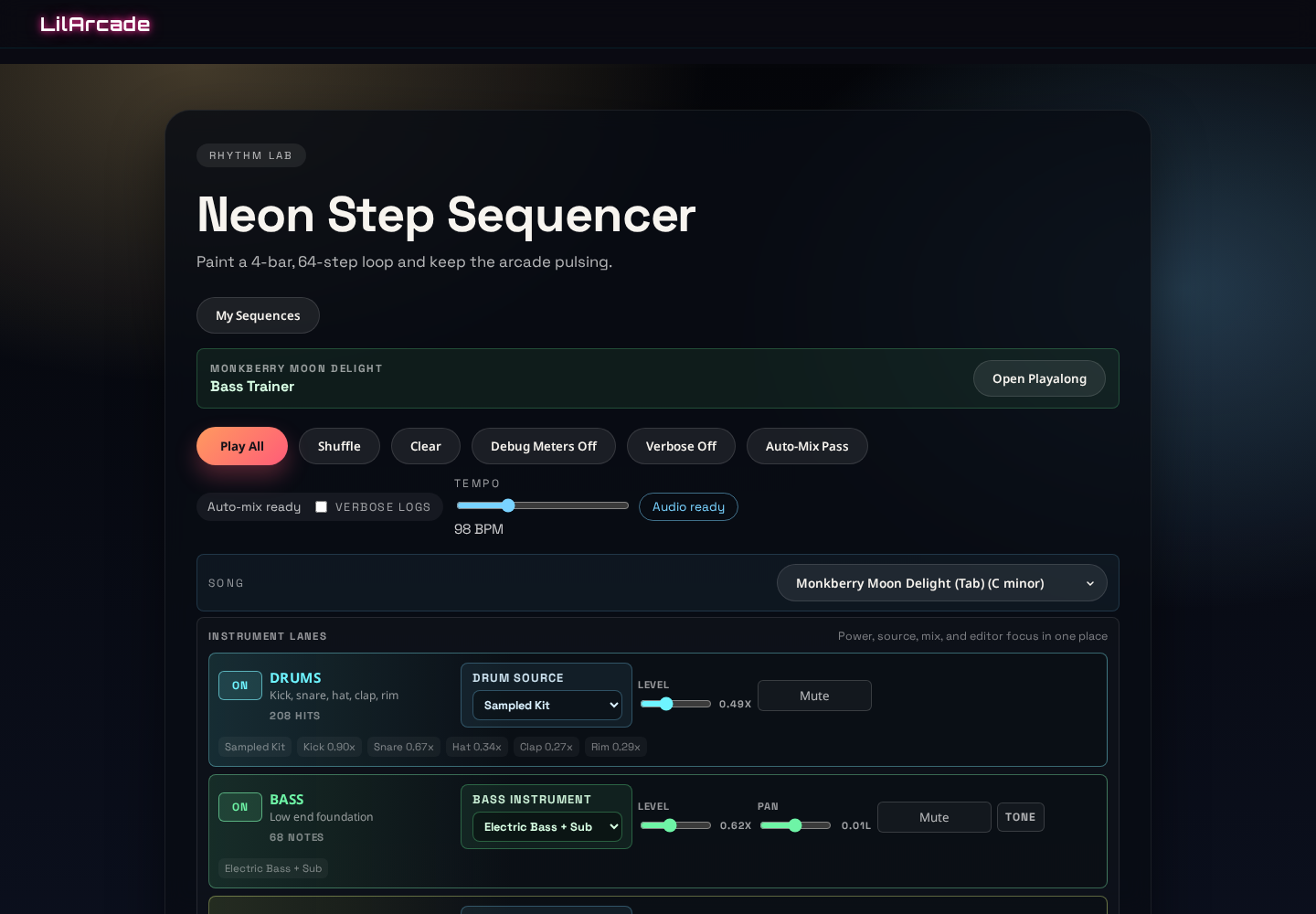
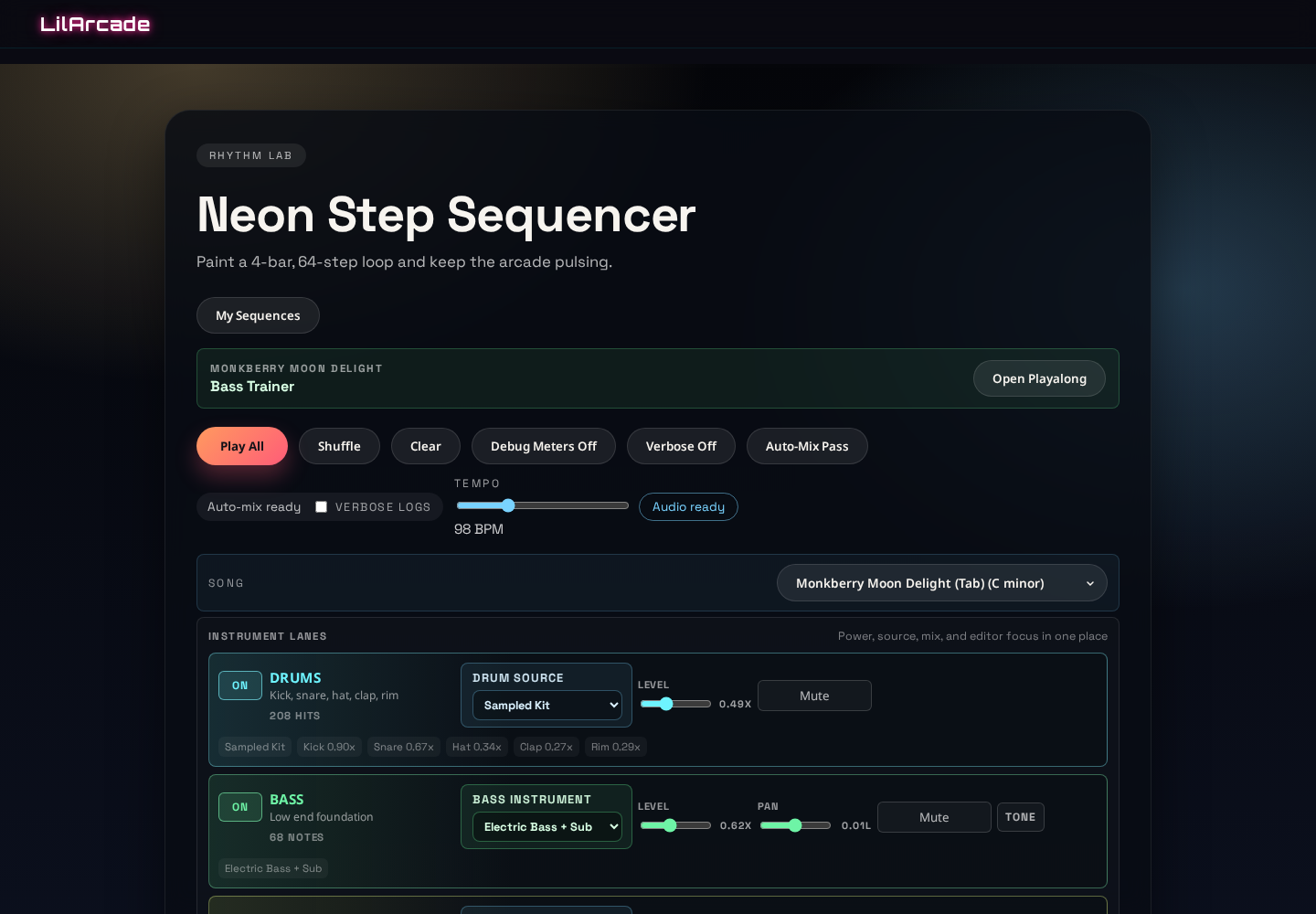
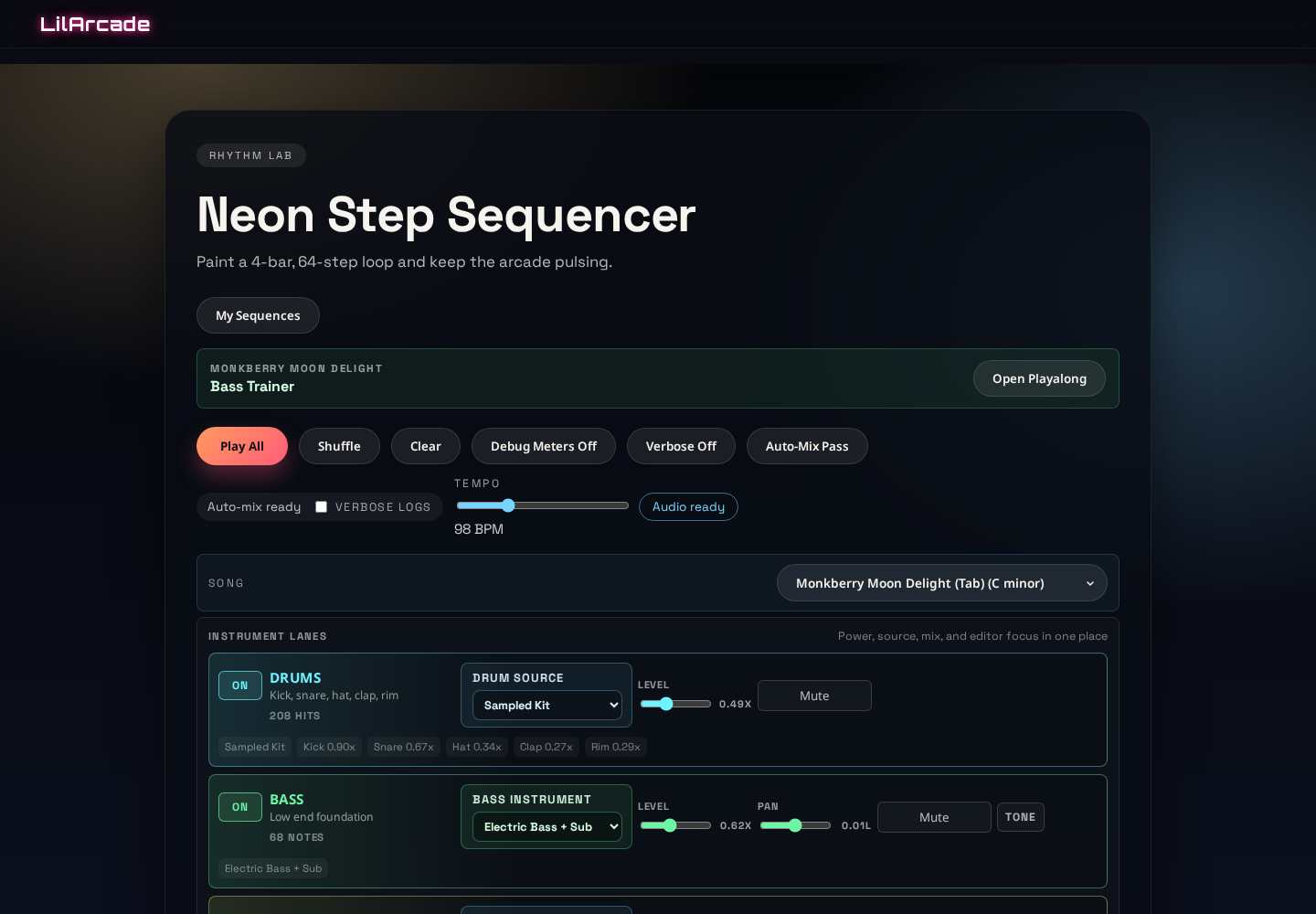
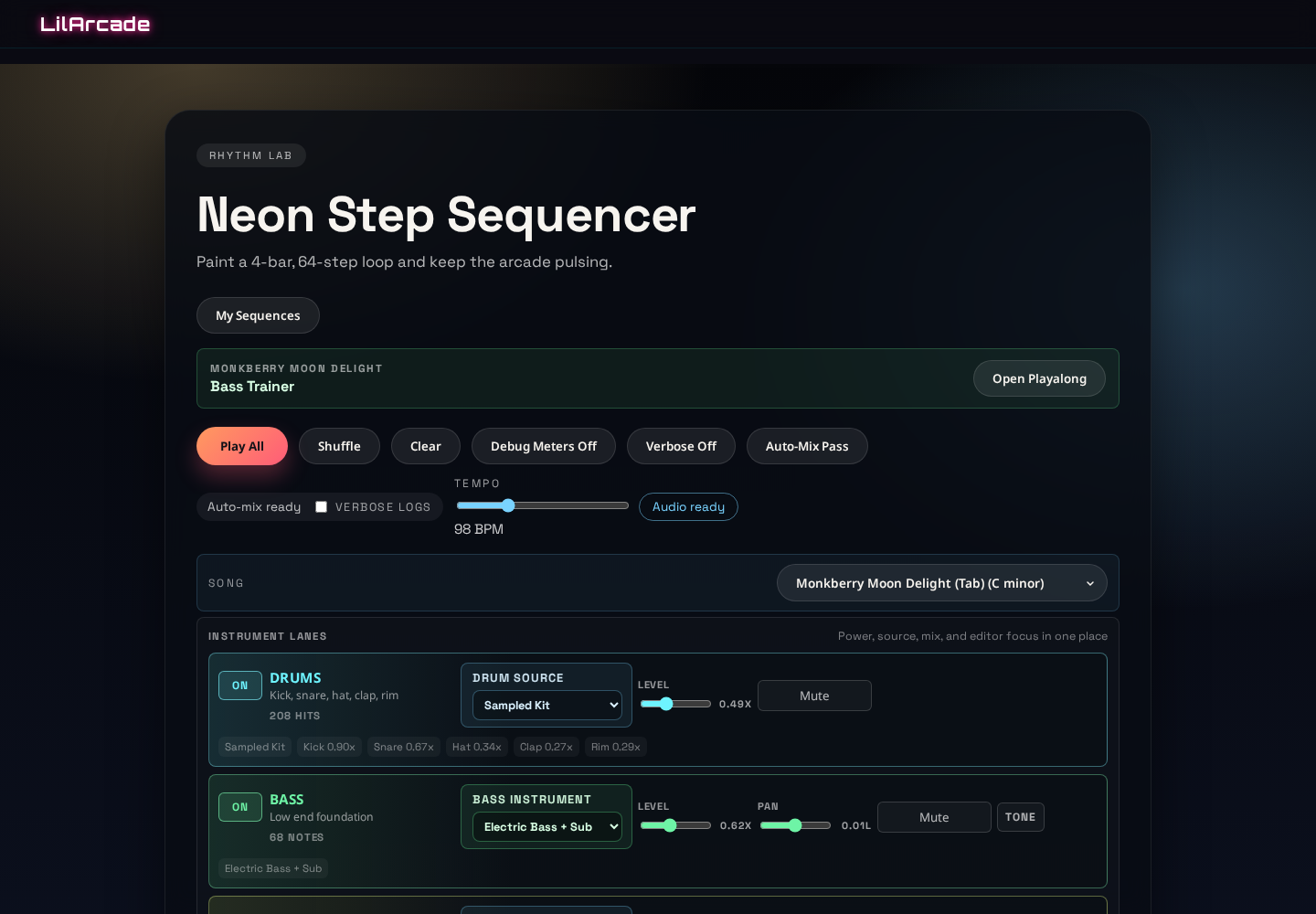
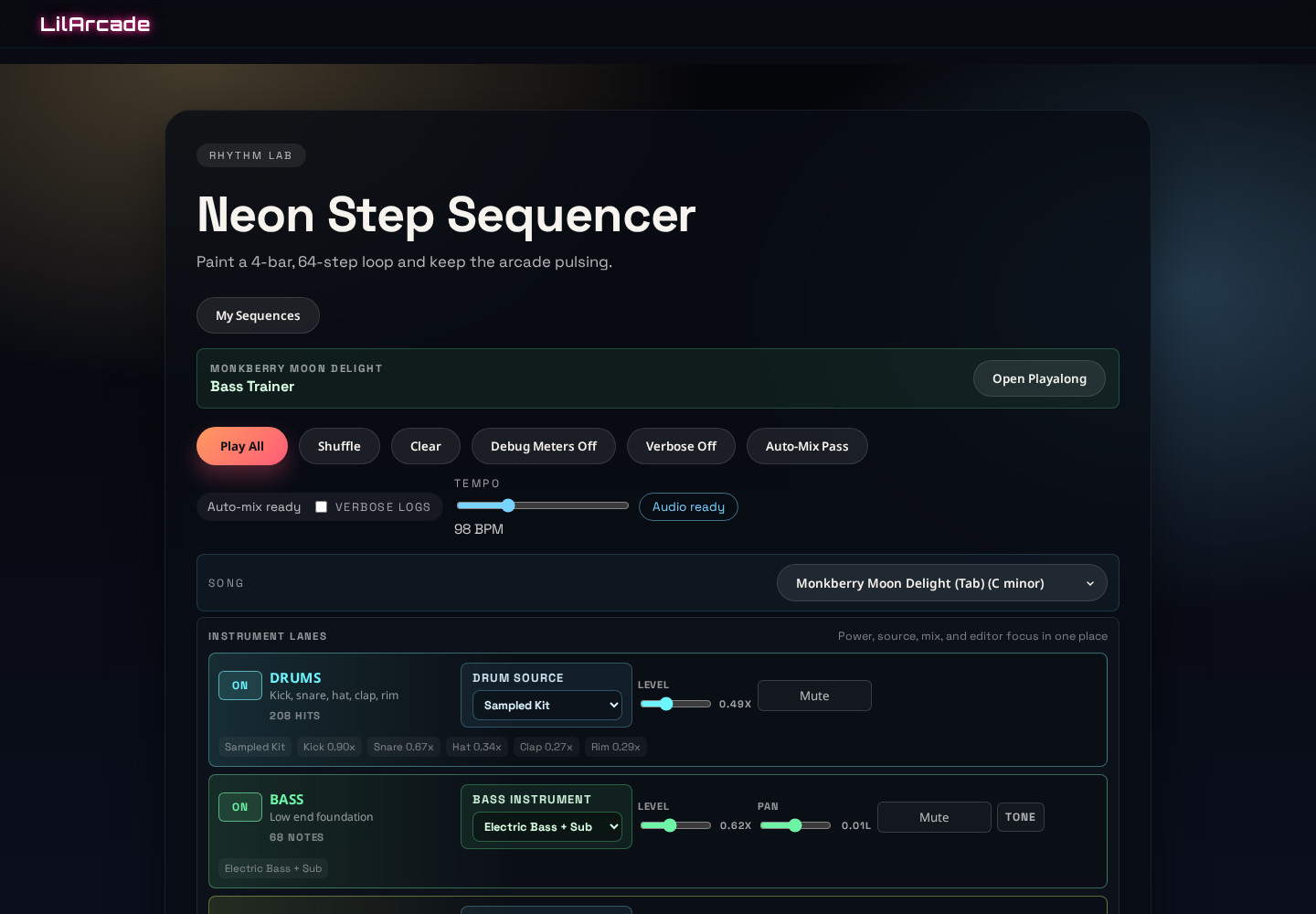
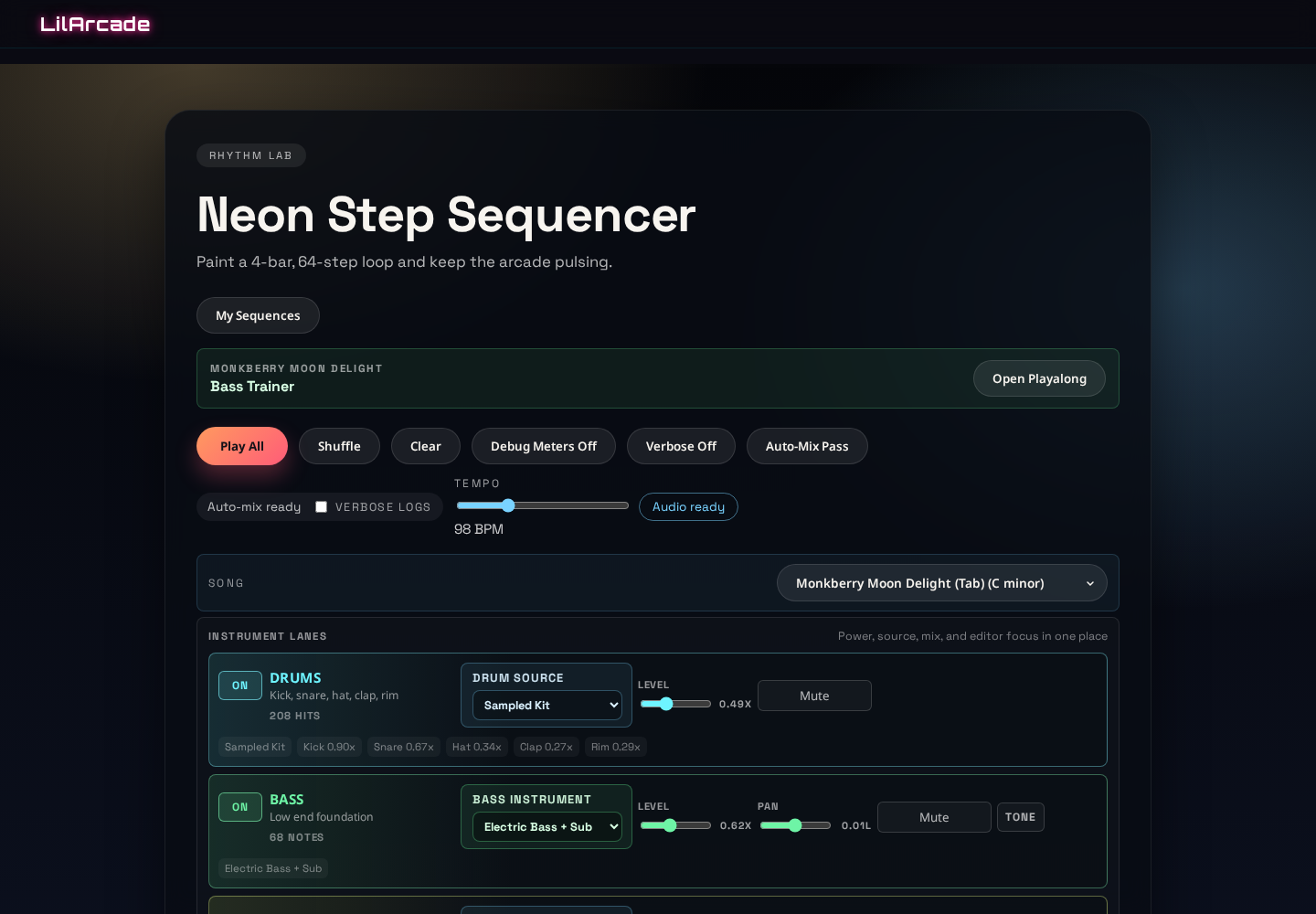
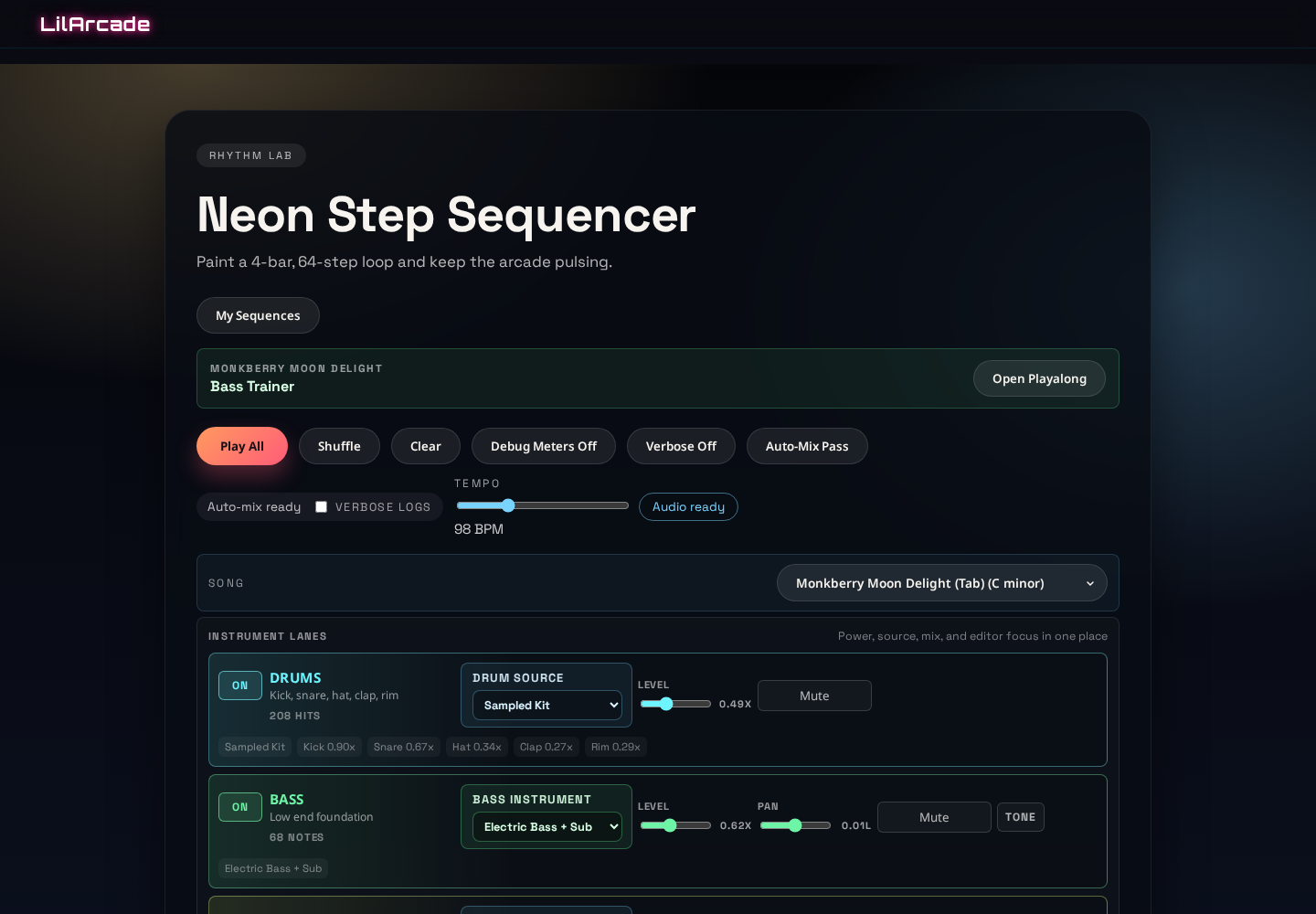
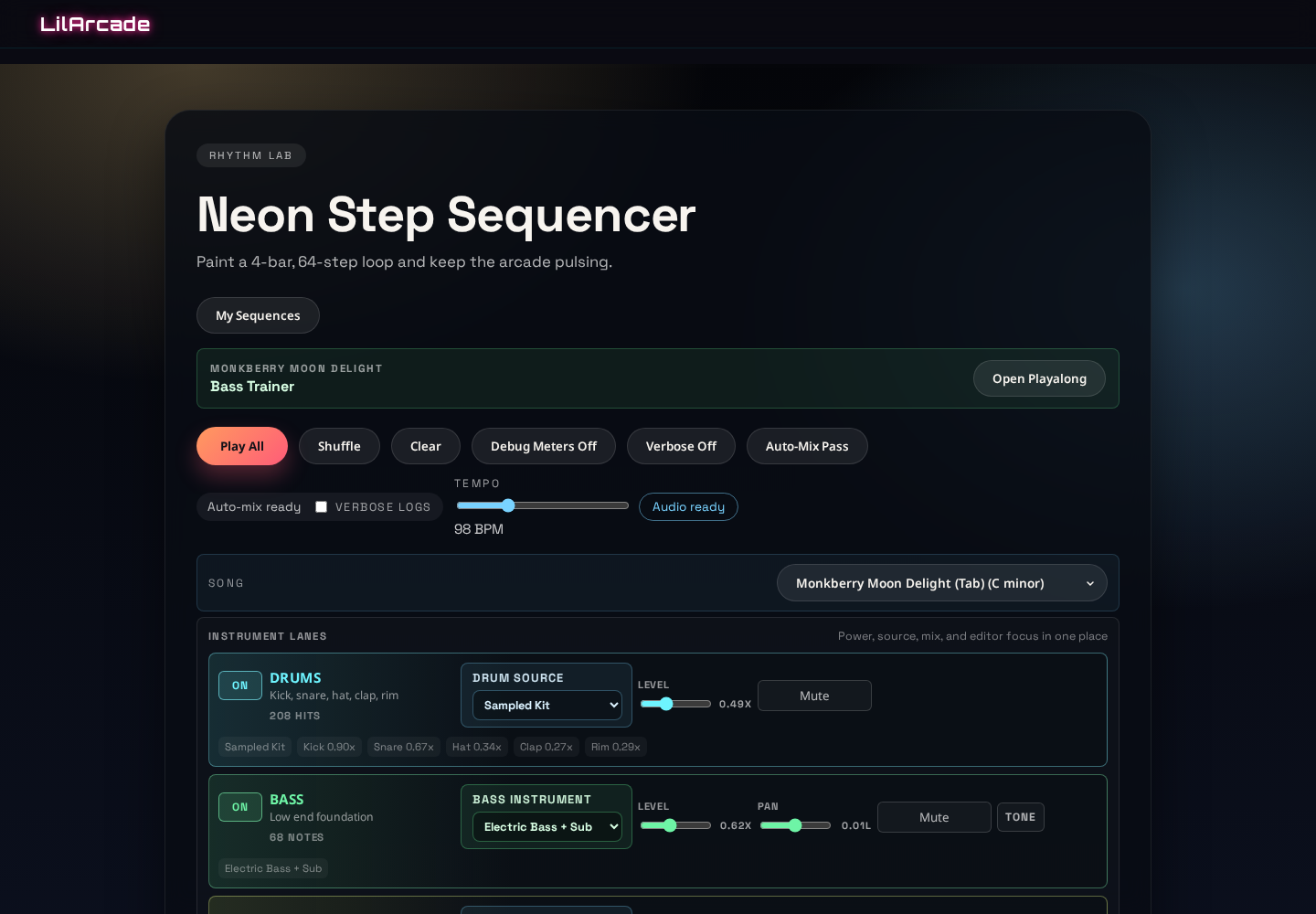
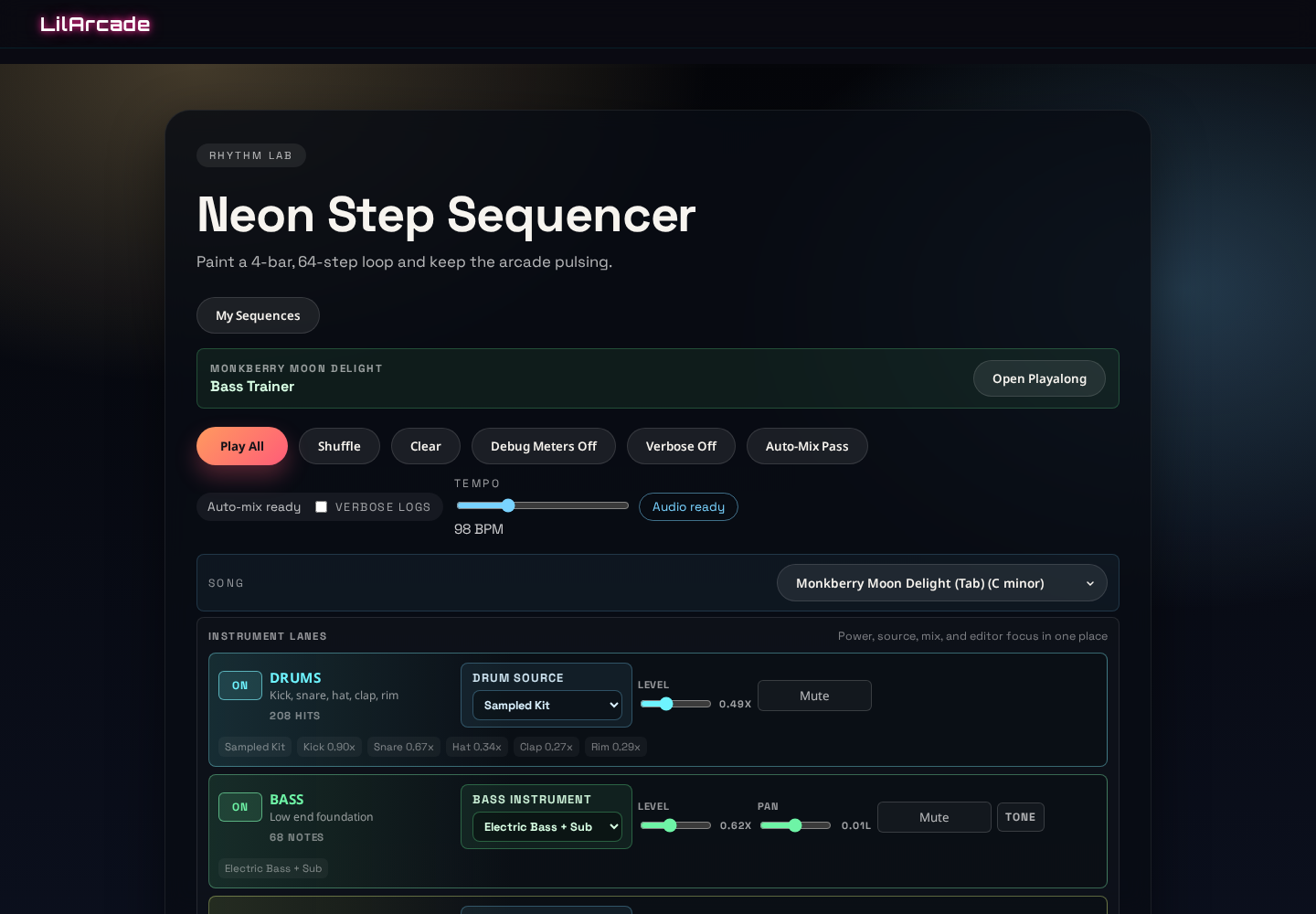
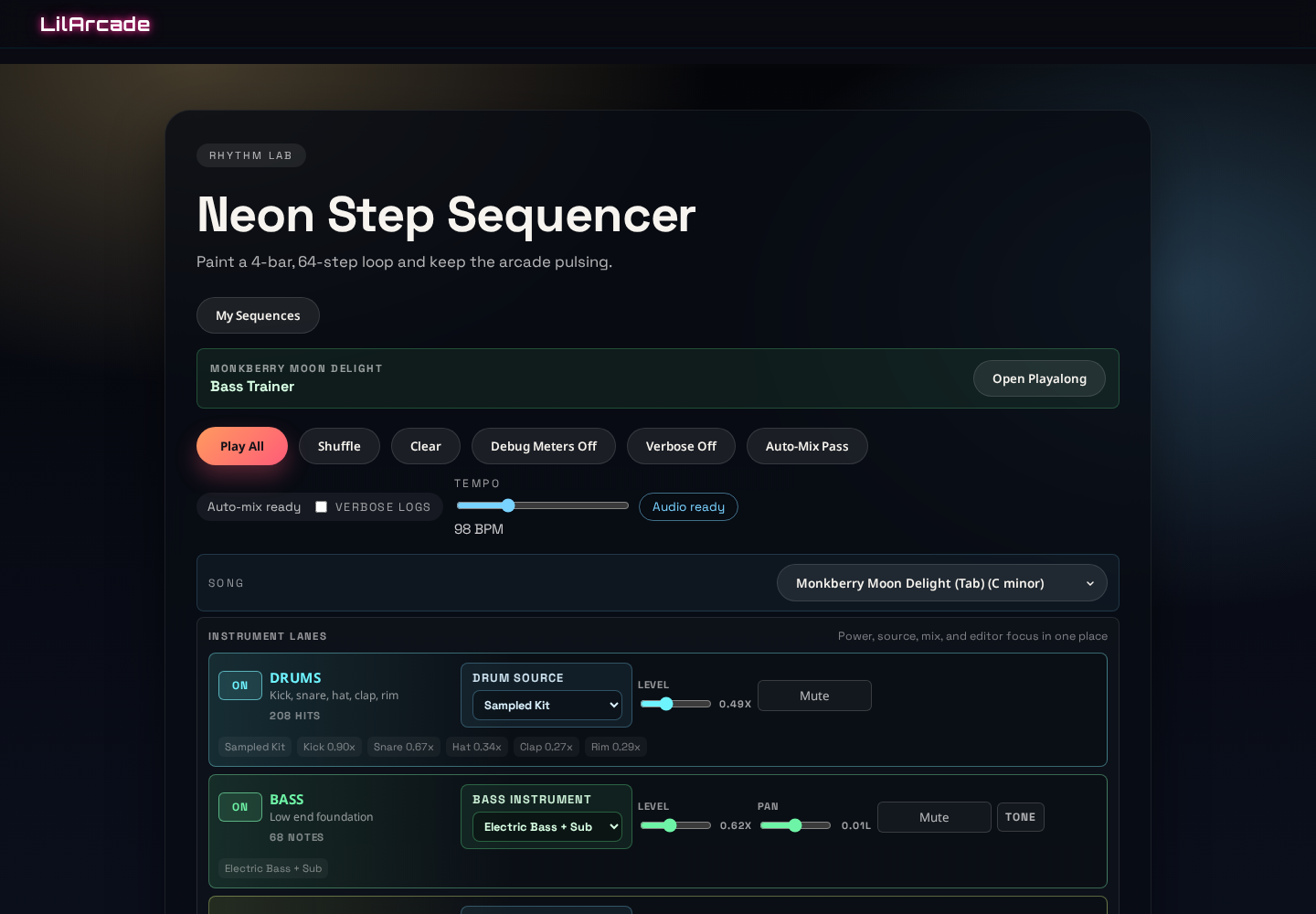
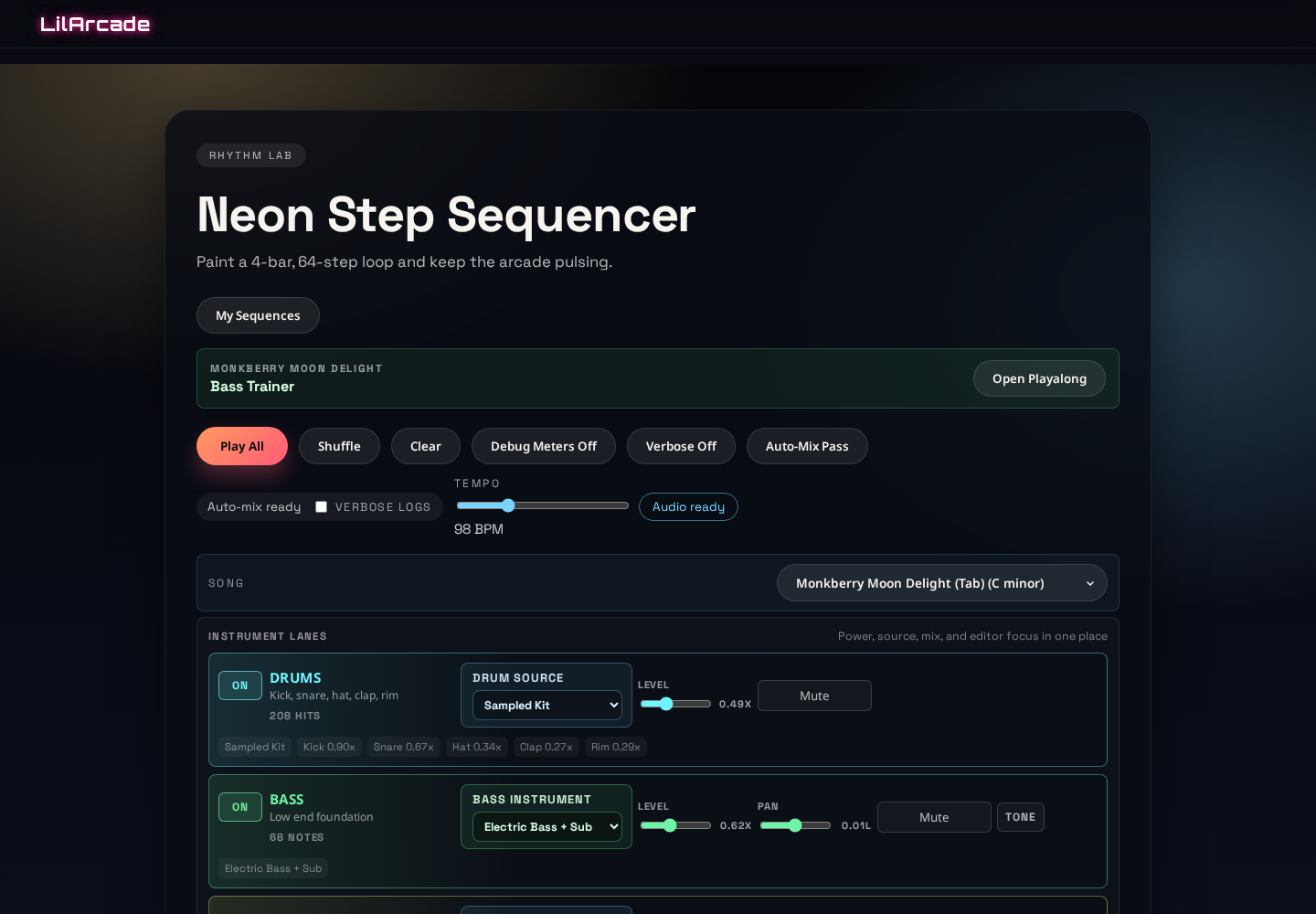
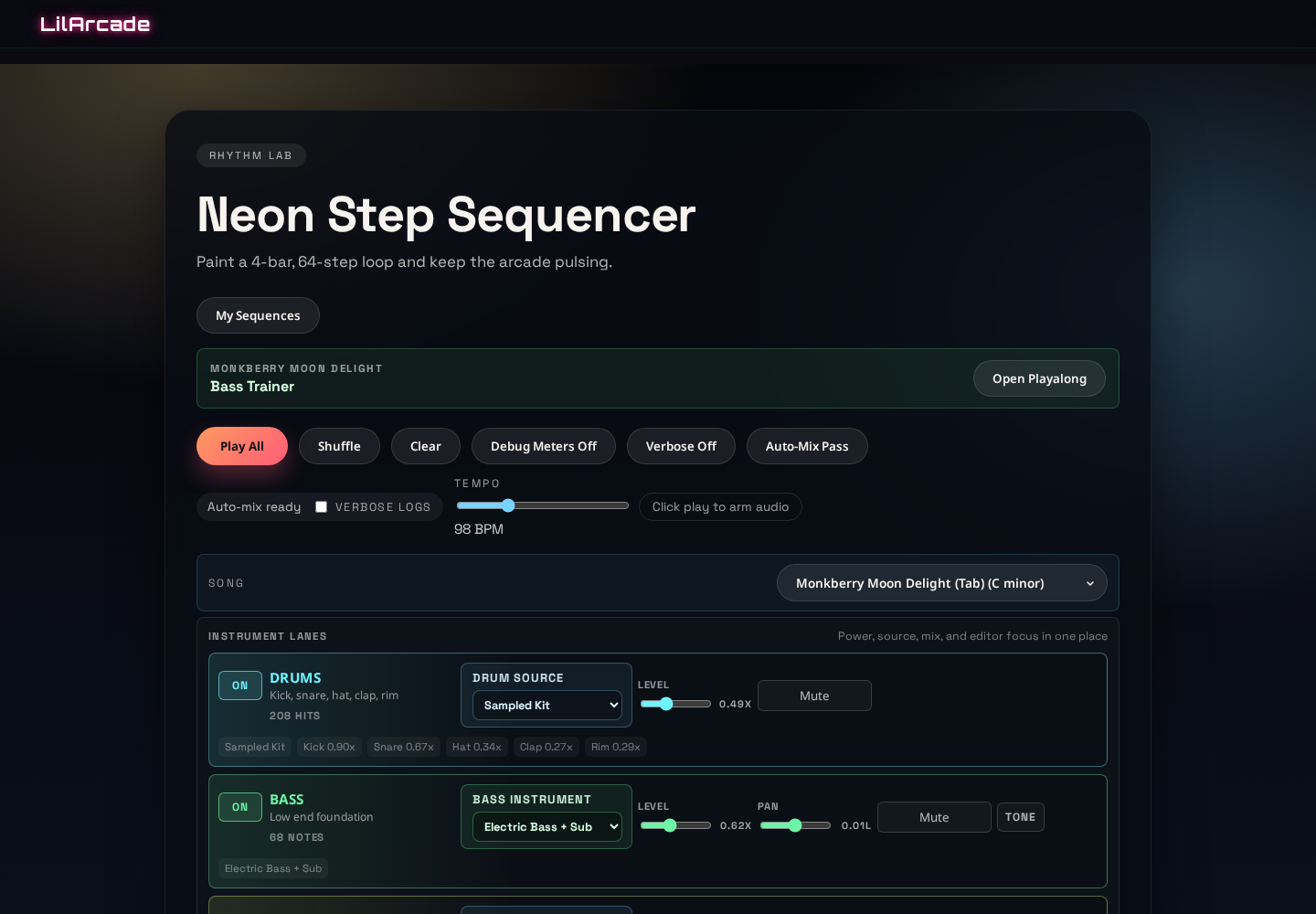
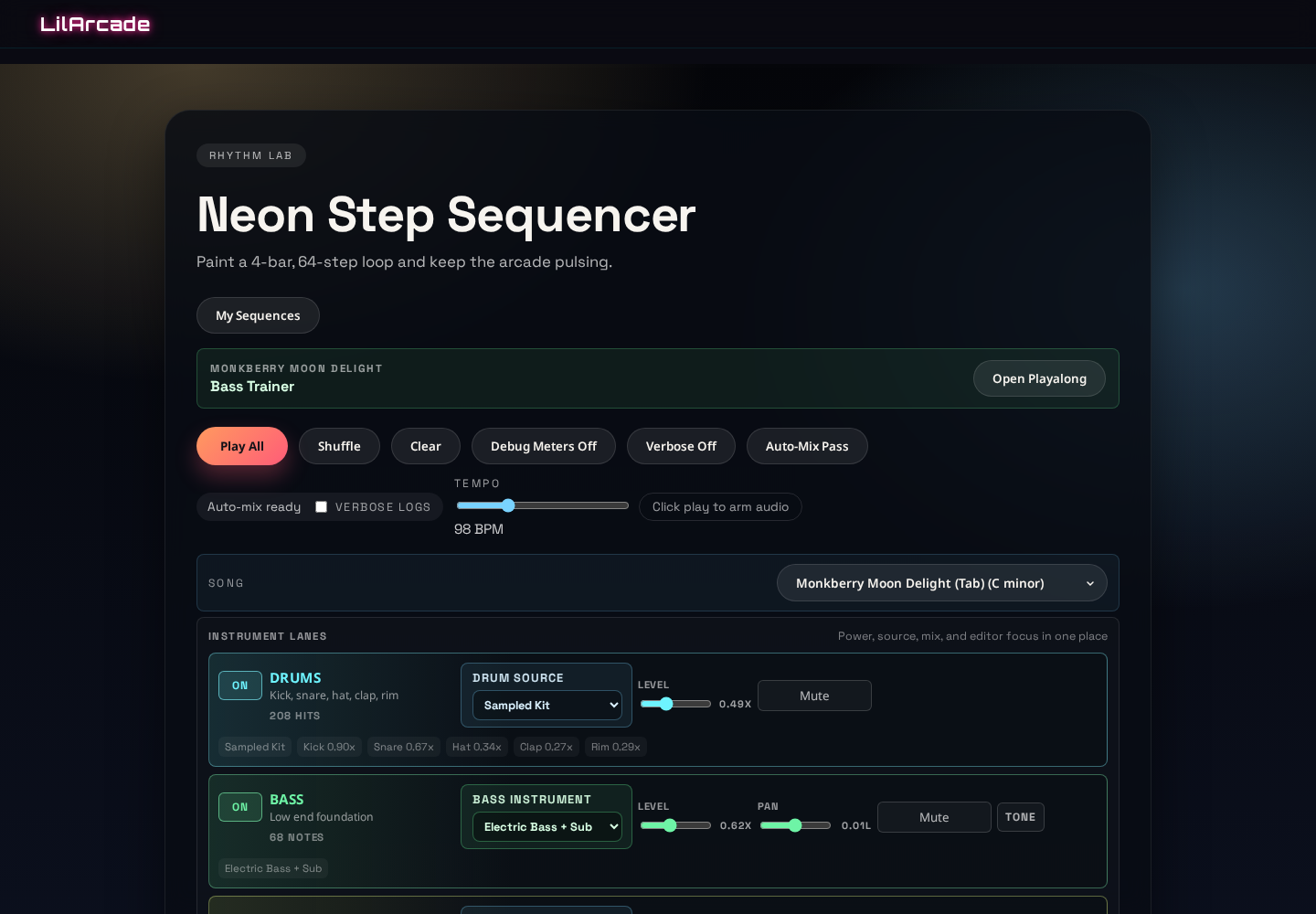
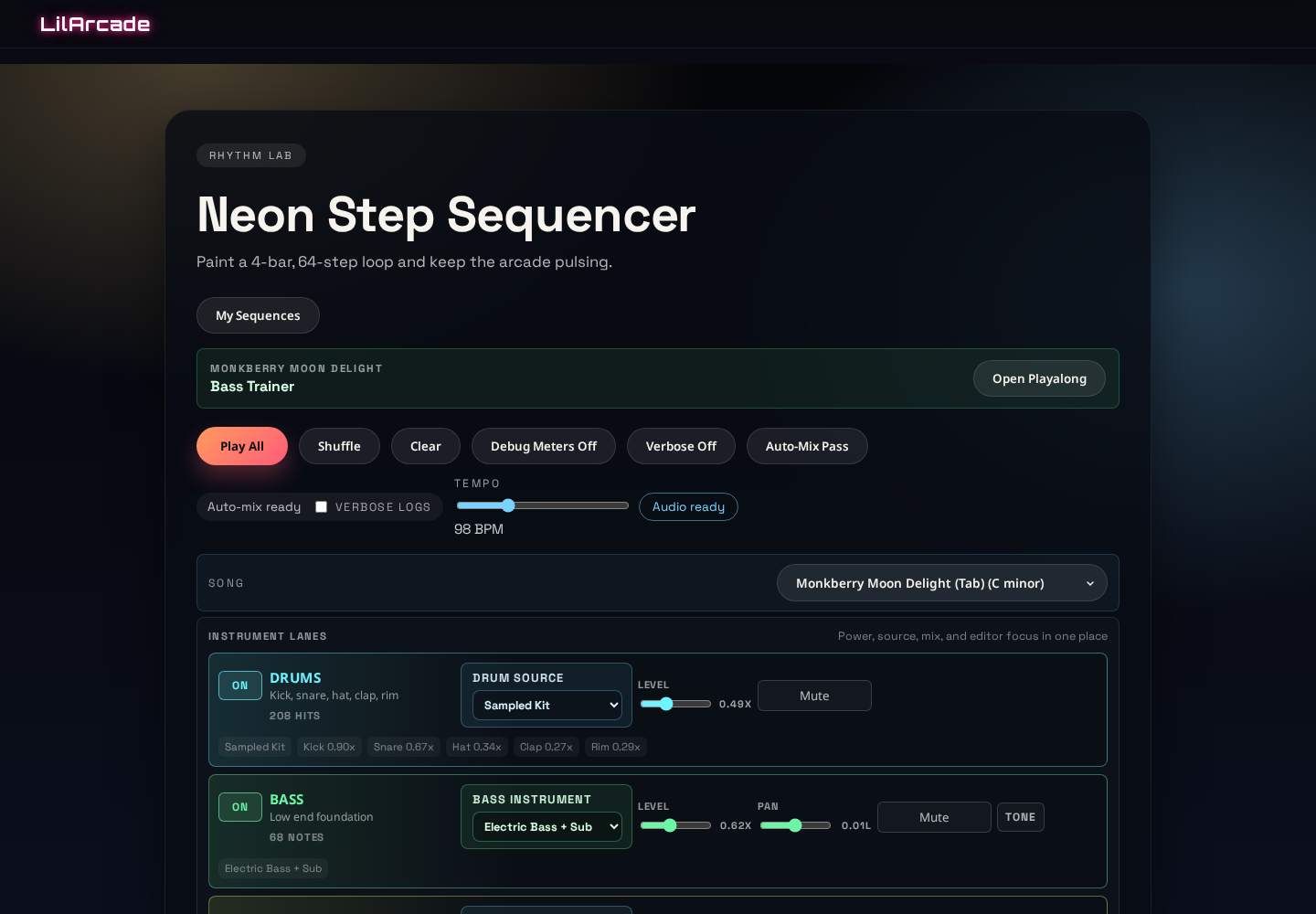
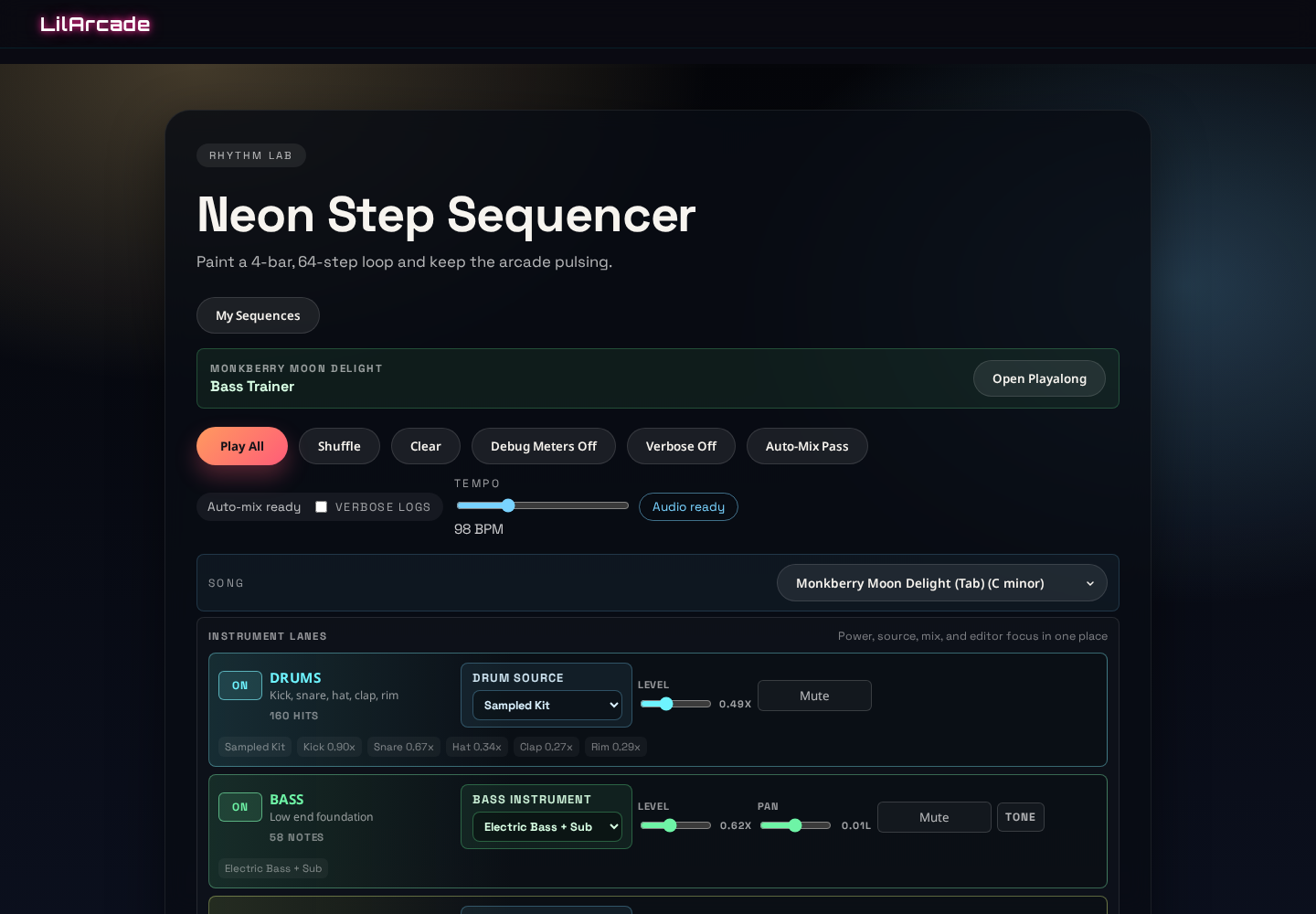
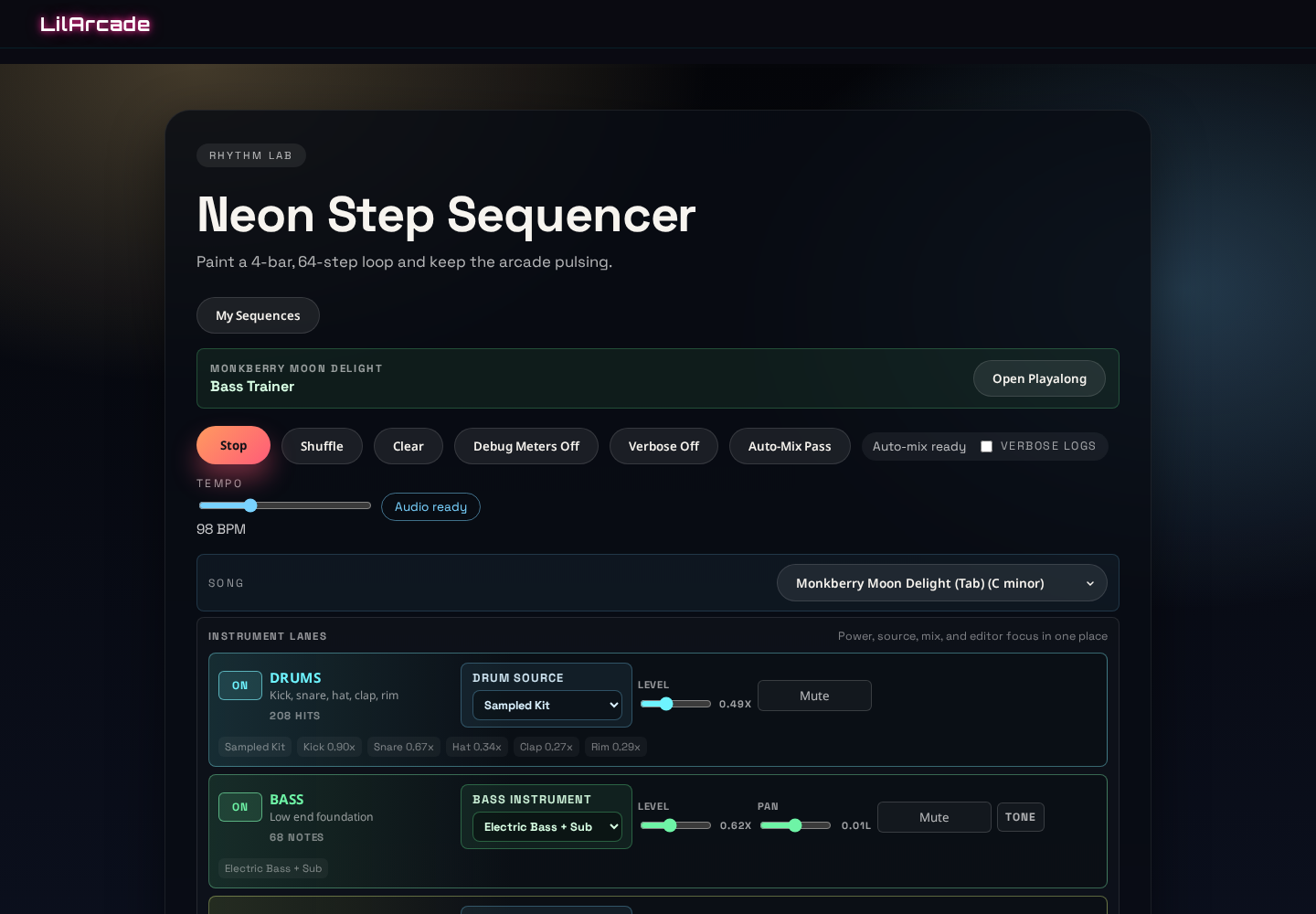
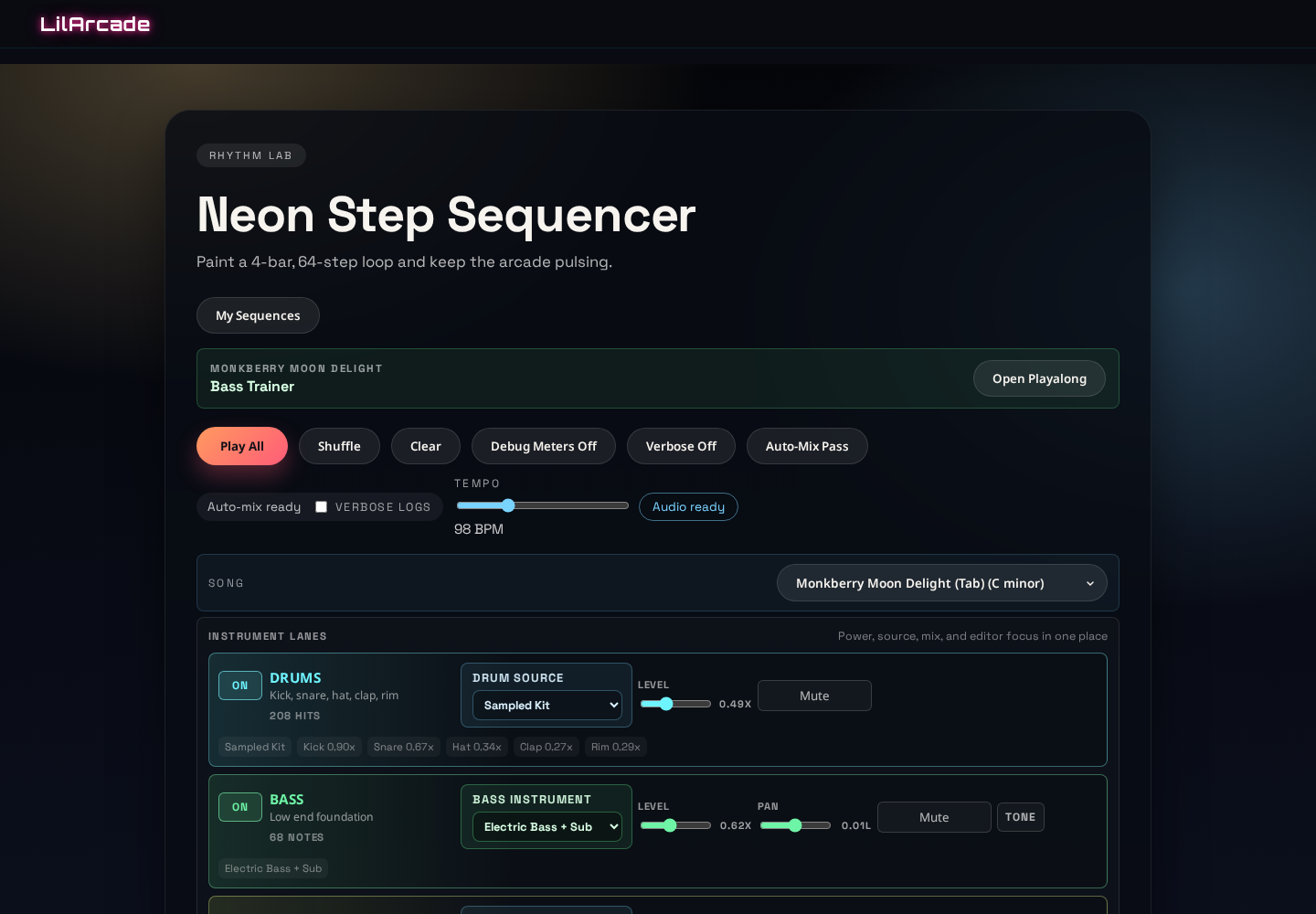
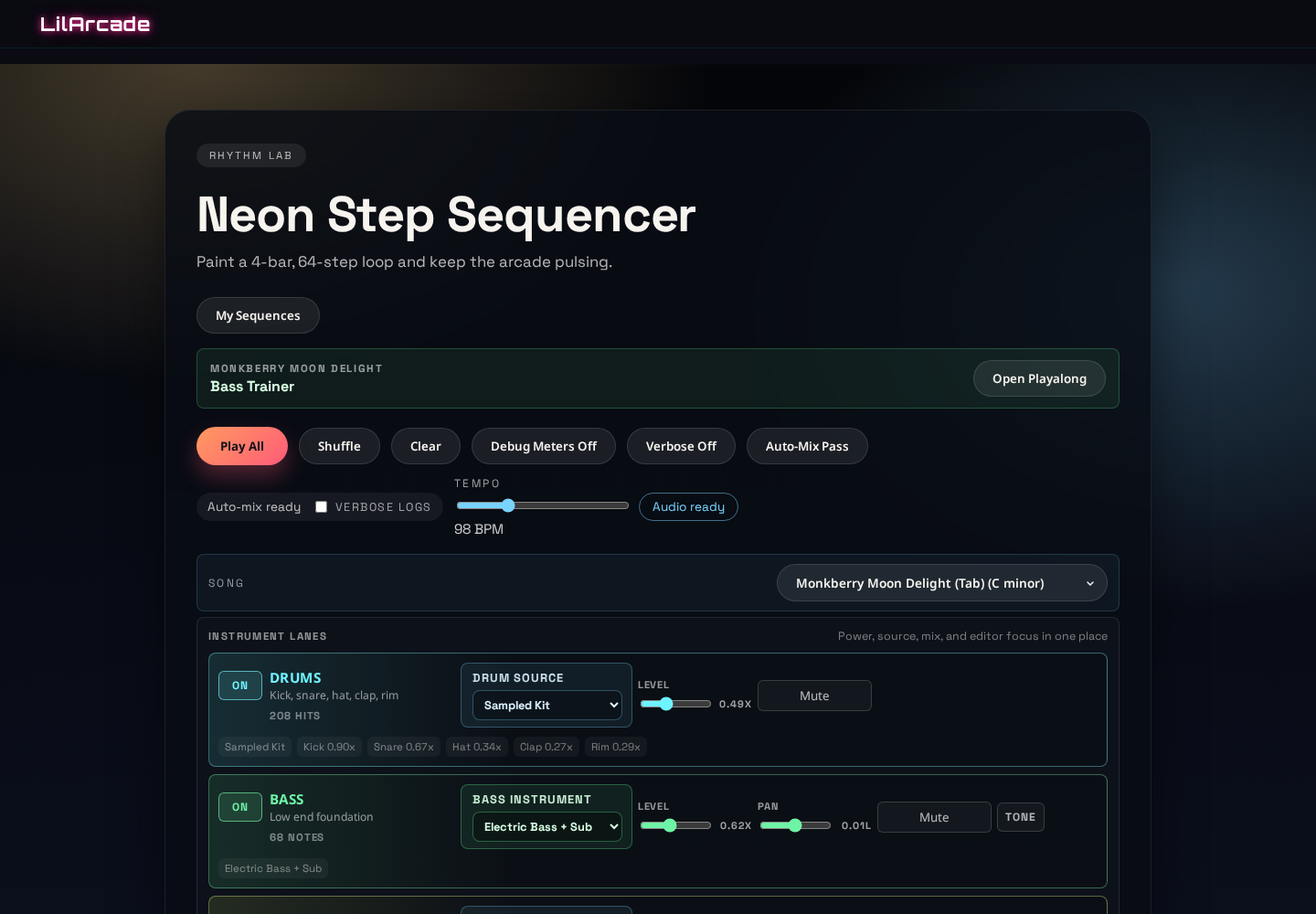
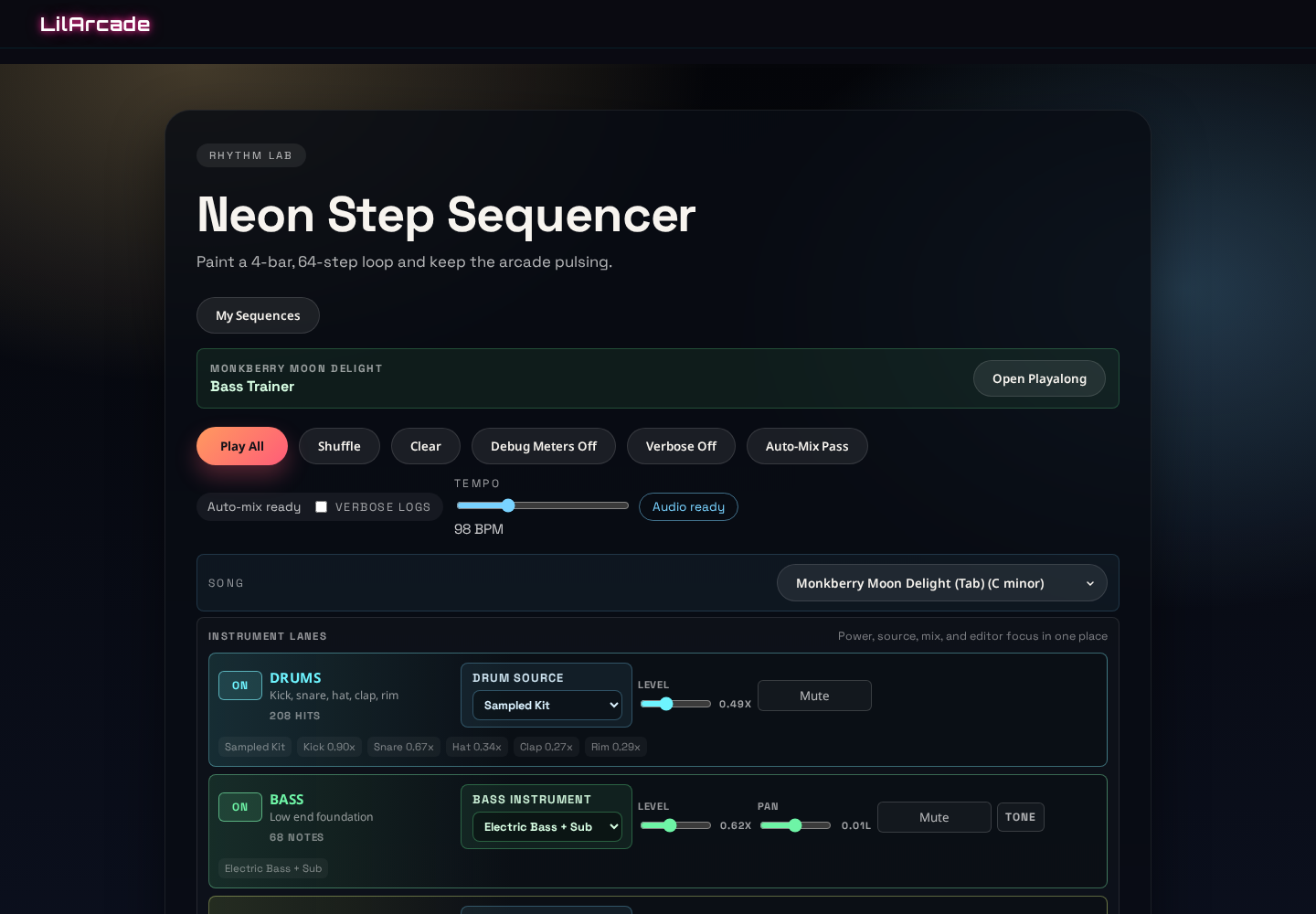
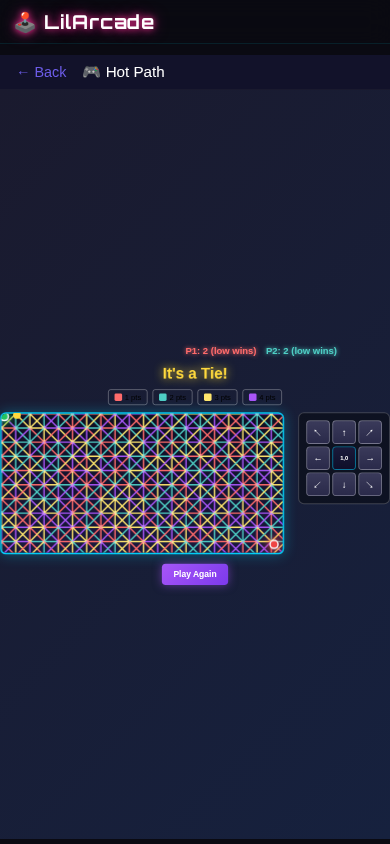
Visual evidence from the deployed Neon target during the fast deep-exploration proof.